Sangeetcar is the folk-music initiative of C.R.A.F.T., working to document, preserve and revive India's living folk traditions — one artist, one village at a time.
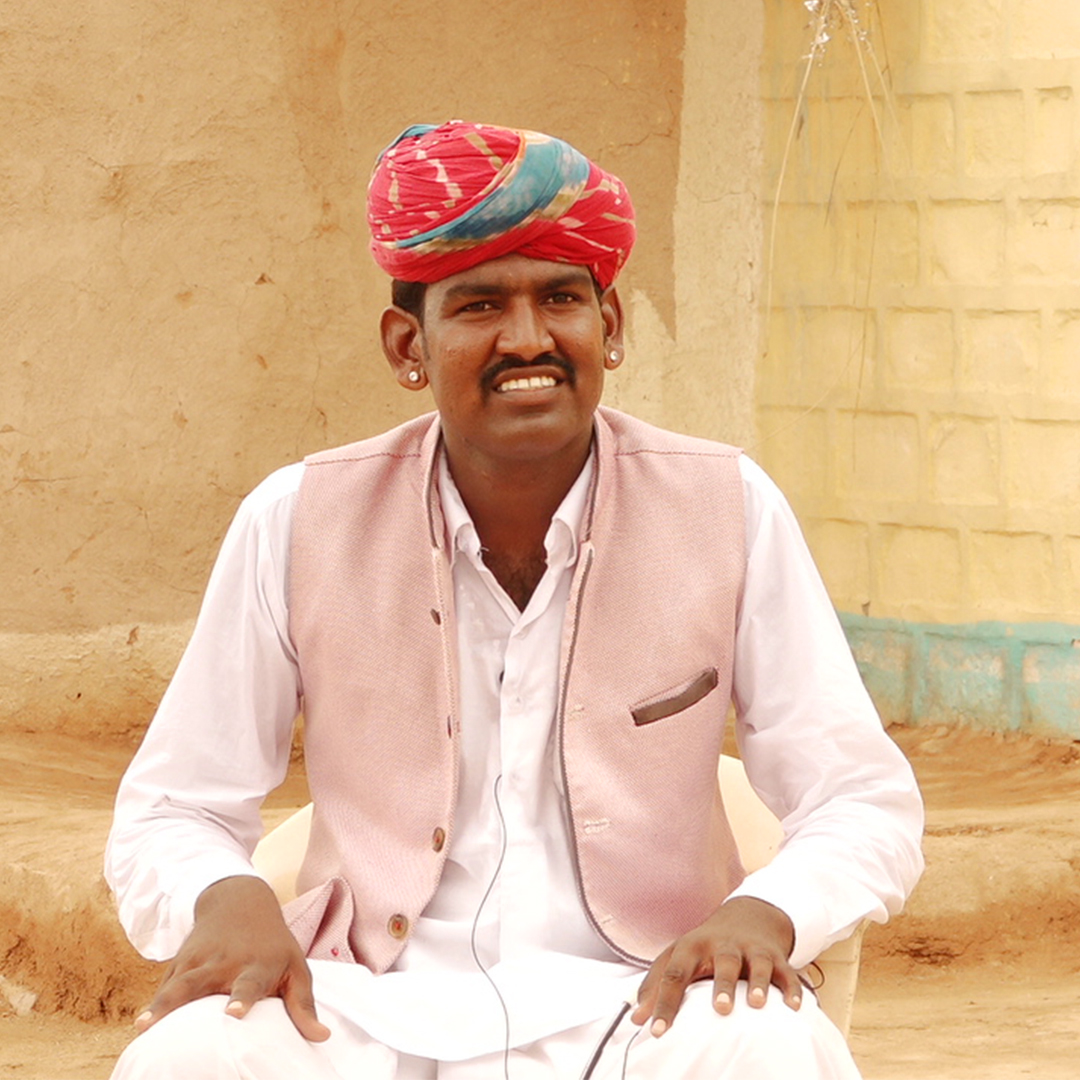
We work at the point where a tradition is most vulnerable — while it is still practised, and while the artists who carry it can still speak, sing and teach it themselves.
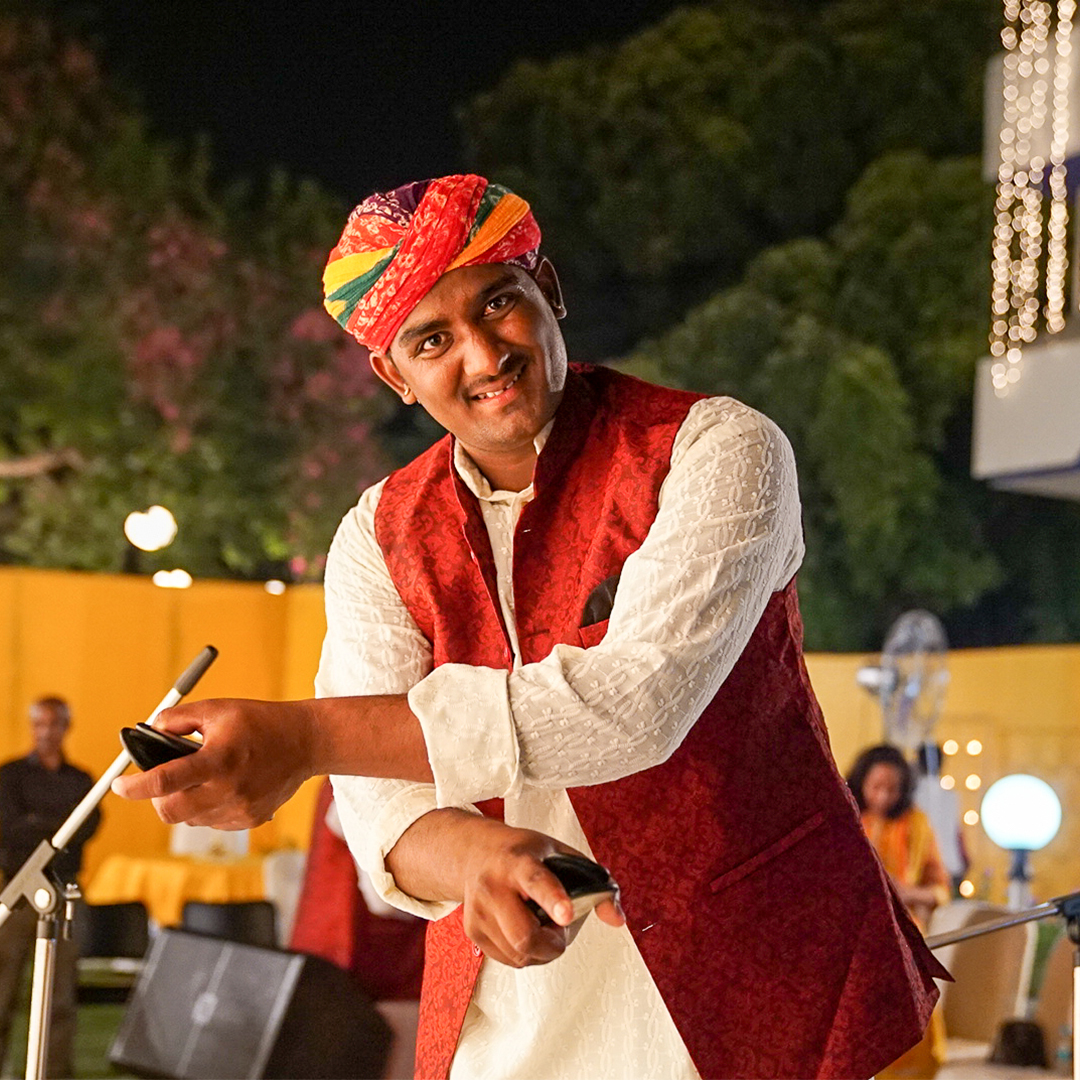
Through long-term relationships, professional documentation and public performance, we help repertoire, instruments and oral histories stay alive — for the communities who inherit them, and the audiences who can carry them forward.
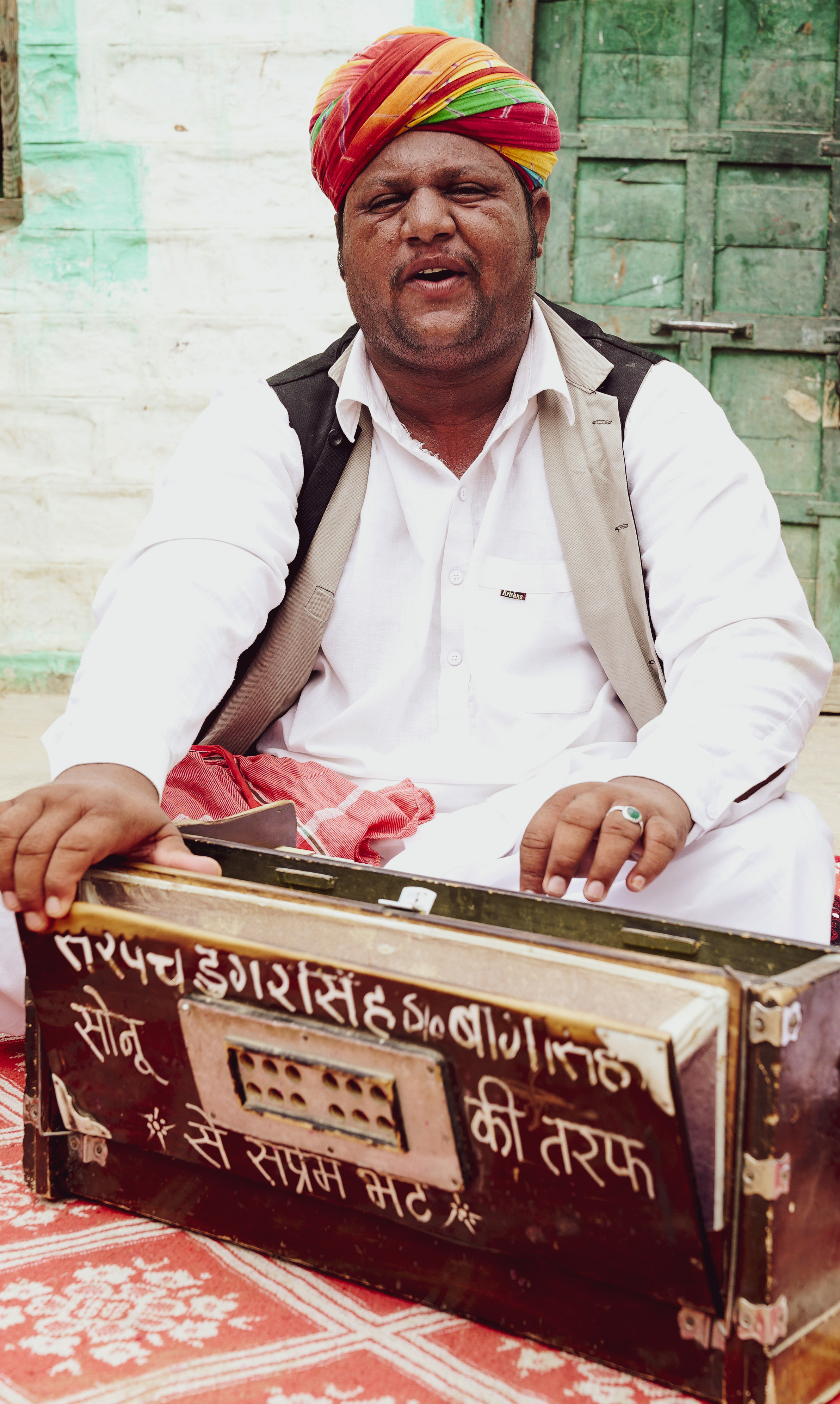
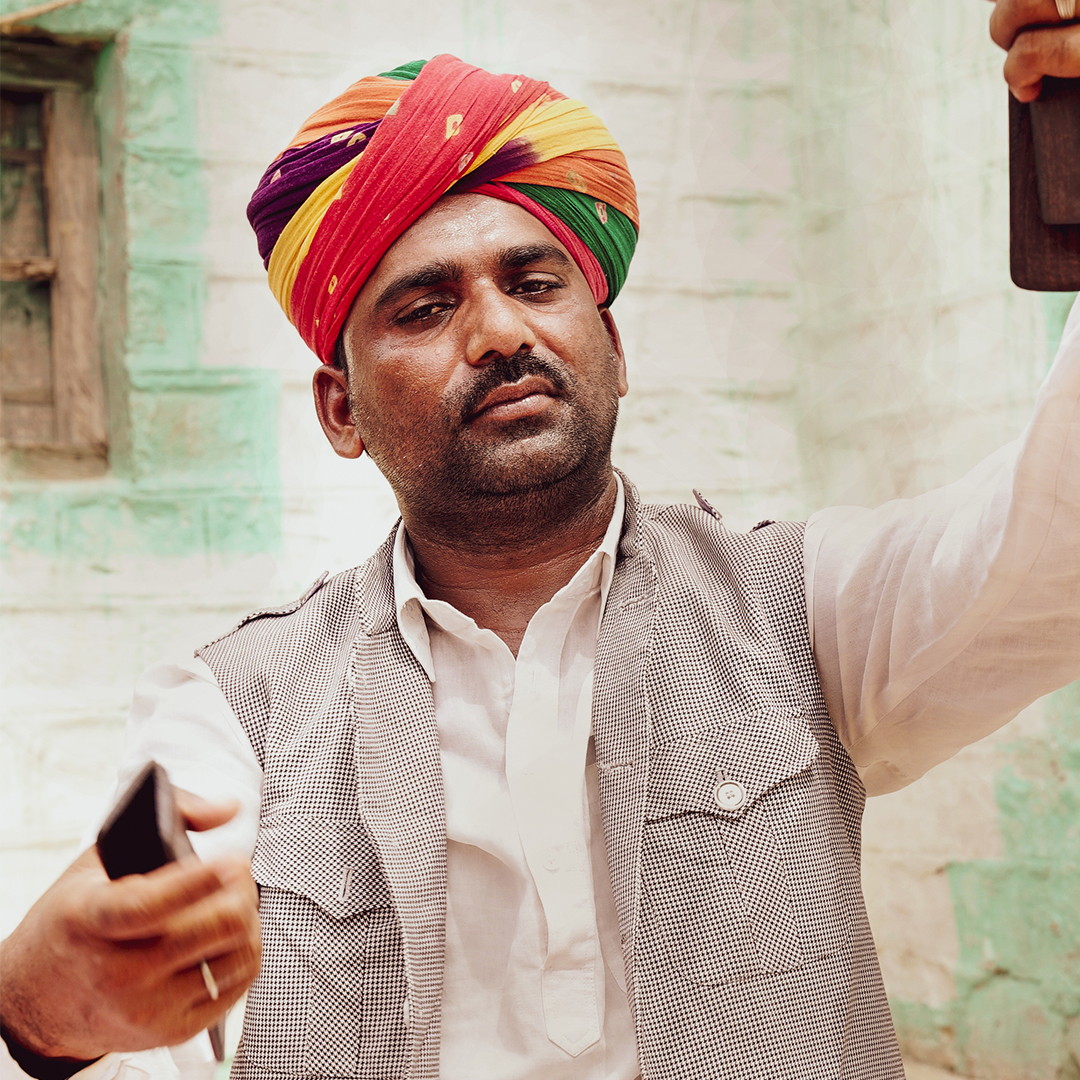
Sangeetcar's work began with long-term relationships with hereditary folk musicians in Rajasthan, built over years of fieldwork. What started as independent documentation has grown into an archive of approximately 70 multitrack recordings, a body of field photography and video, and a completed documentary film — Legacy in Tunes, centred on the endangered Manganiyar surmandal tradition.
Today, Sangeetcar operates as a dedicated programme under C.R.A.F.T. We're working towards a public digital archive, to make this material available to communities, researchers and audiences for generations to come.
A documentary centred on the Manganiyar surmandal tradition, and its passage from Chanan Khan to his son, Bhersi Khan.
Every project starts by identifying a tradition, repertoire or practitioner at risk of disappearing from active cultural life. Before any recording takes place, we build a long-term relationship with the artists and their community.
In 2016, we met Chanan Khan — a hereditary Manganiyar musician and one of the last active players of the surmandal. Over several years, an introductory meeting grew into sustained fieldwork, documentation, renewed performances, and the documentary film Legacy in Tunes.

Once a relationship is established, we begin professional audio and visual documentation of the artist, the repertoire and its context. Sessions are planned around the artists' own rhythms, conducted on location, and given as long as it takes — care over haste. Each recording captures not just the music, but the testimony and knowledge around it.
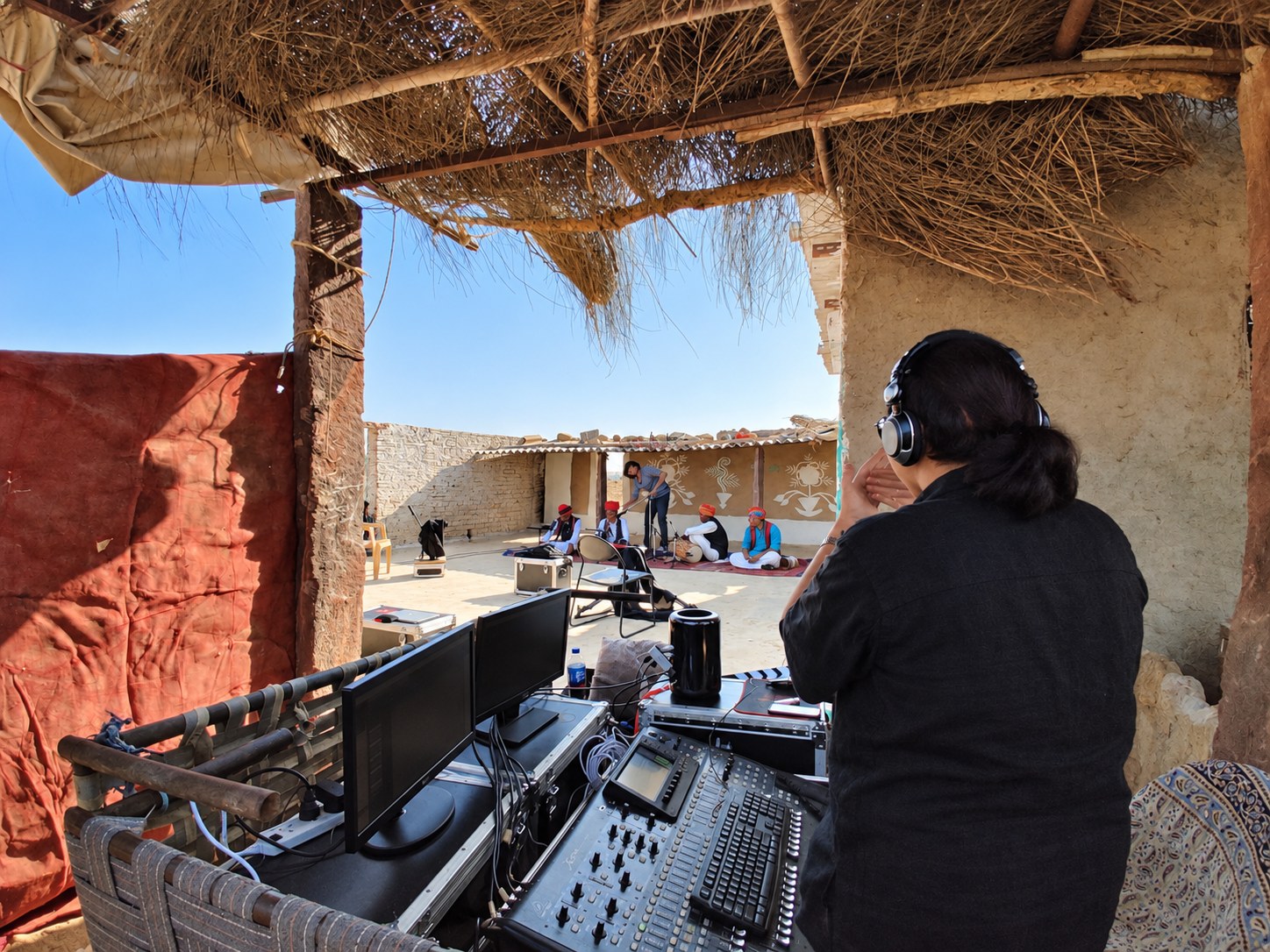
Recorded material is organised into a professional digital archive. Sessions are assessed, cleaned up and backed up. Priority recordings are mixed and mastered to a public listening standard, and paired with research — lyrics, translation, context and metadata. Rights and permissions are documented at every stage, so material can be responsibly shared.
| Approximately 70 | Multitrack folk-music recordings archived. |
| 1 | Documentary film completed — Legacy in Tunes. |
| Since 2016 | Sustained engagement with Chanan Khan and the surmandal tradition. |
| Multiple | Performance settings — institutional, festival, CSR and private events, in India and internationally. |
| 20 songs | Currently in research and production for our first public digital archive pilot. |
These numbers are more than an archive. Each recording is the result of a relationship built on trust, consent and respect — work that keeps a tradition audible for the artists' own children, for researchers, and for audiences who might otherwise never encounter it.