
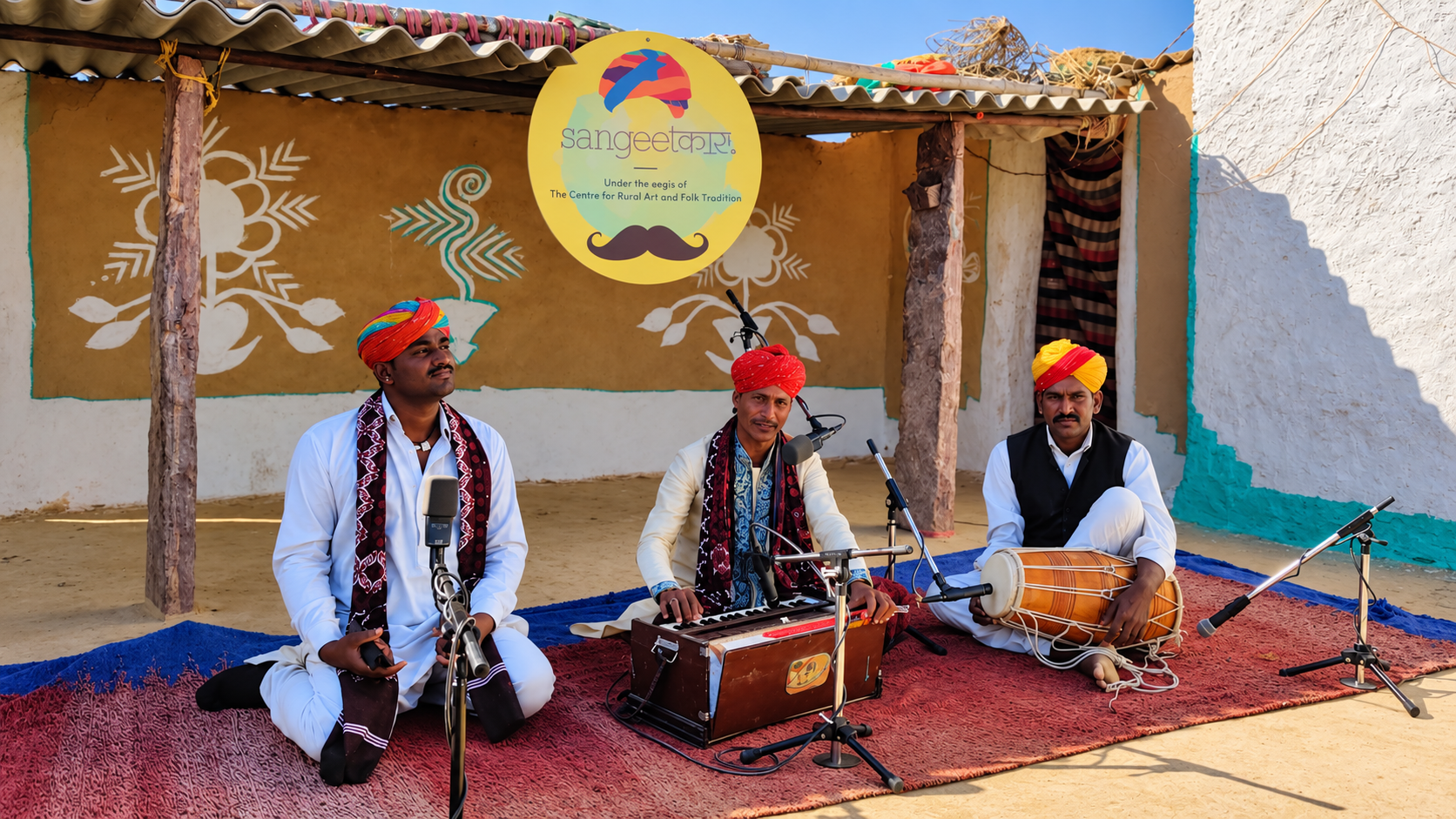
Documenting music. Sustaining practice. Creating audiences.
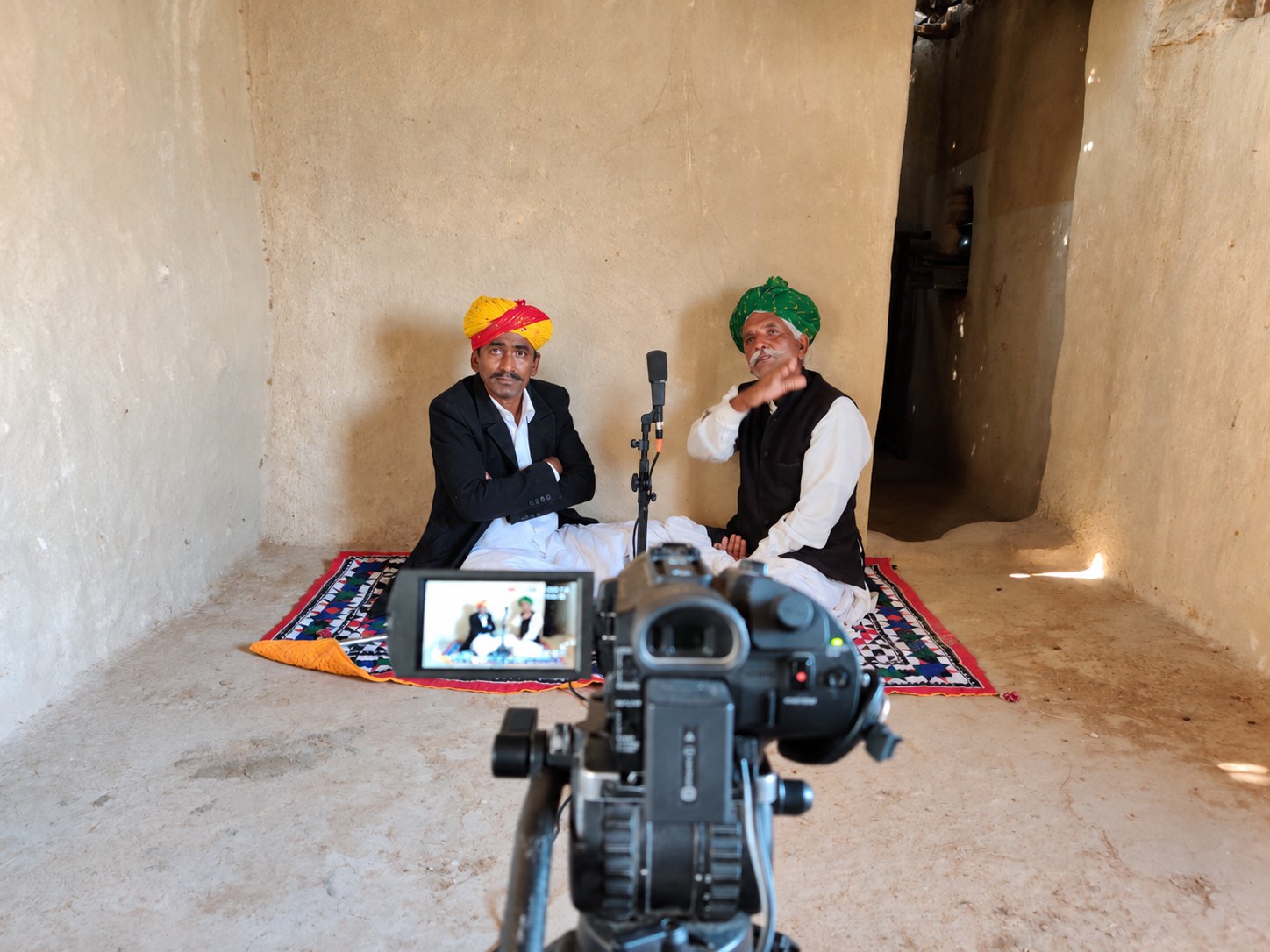
We record folk musicians in their own communities, documenting performances, interviews and the knowledge surrounding their music. Audio, video and photographs form the foundation of an archive, supported by research, lyrics, translations and context, to safeguard this heritage for future generations.
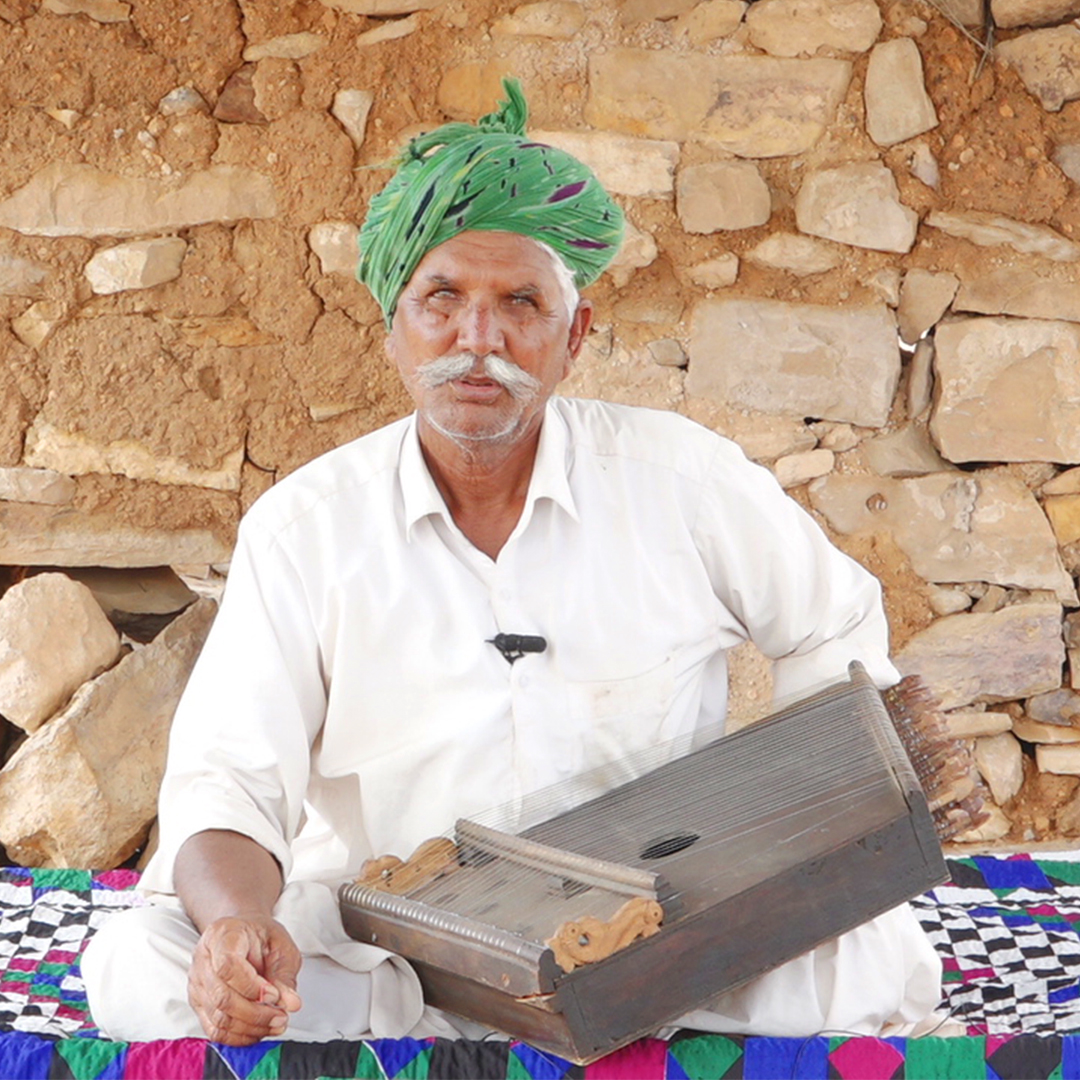
We work with artists to bring vulnerable instruments and repertoires back into active practice and support the sharing of knowledge across generations. Our sustained relationship with Chanan Khan and his son, Bhersi Khan, and their surmandal tradition is one example of this work.
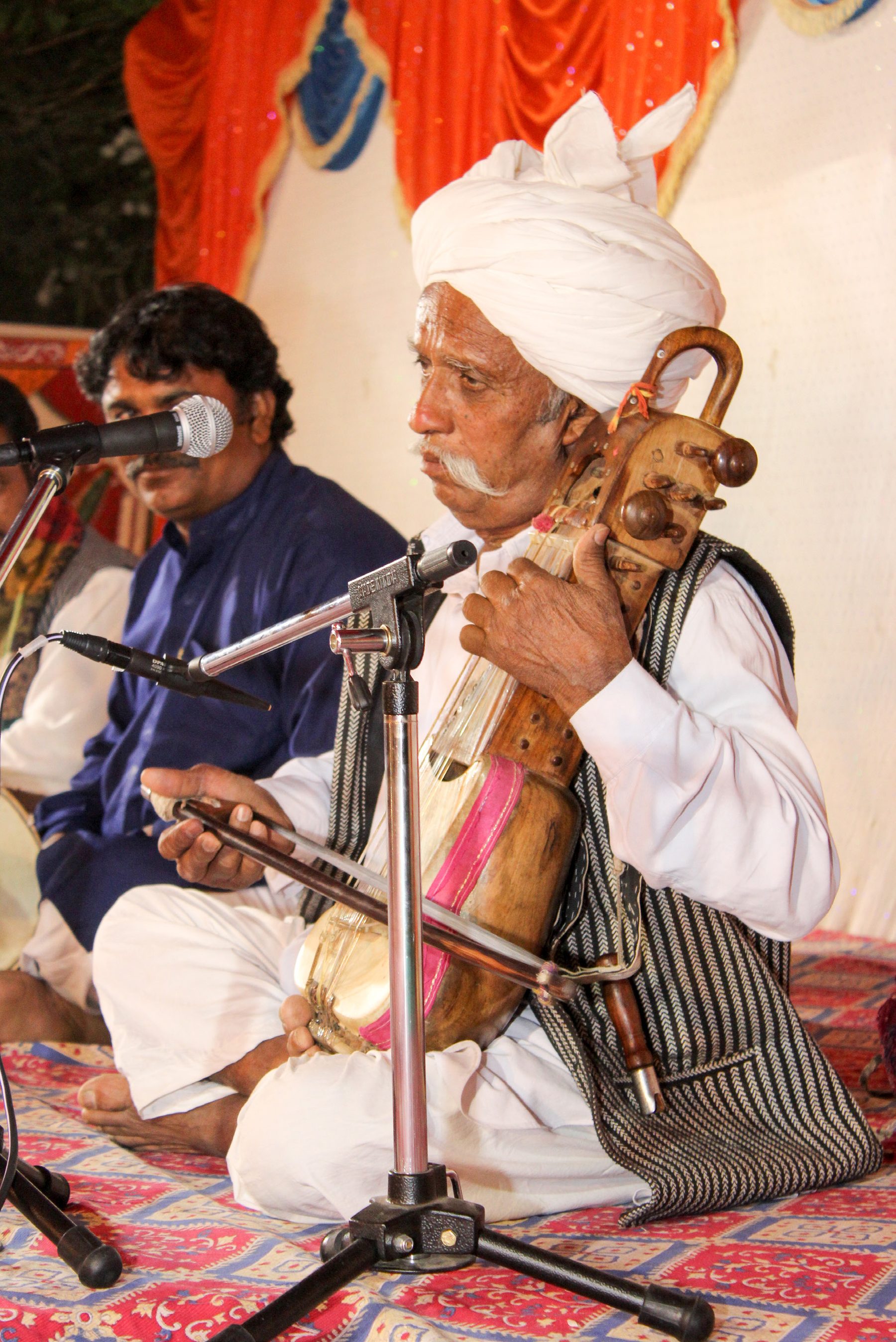
We bring folk music to festivals, institutions, schools and private audiences, creating paid performance opportunities and spaces for cultural exchange. By connecting artists with listeners, we help sustain livelihoods, strengthen recognition and encourage younger generations to engage with these traditions.
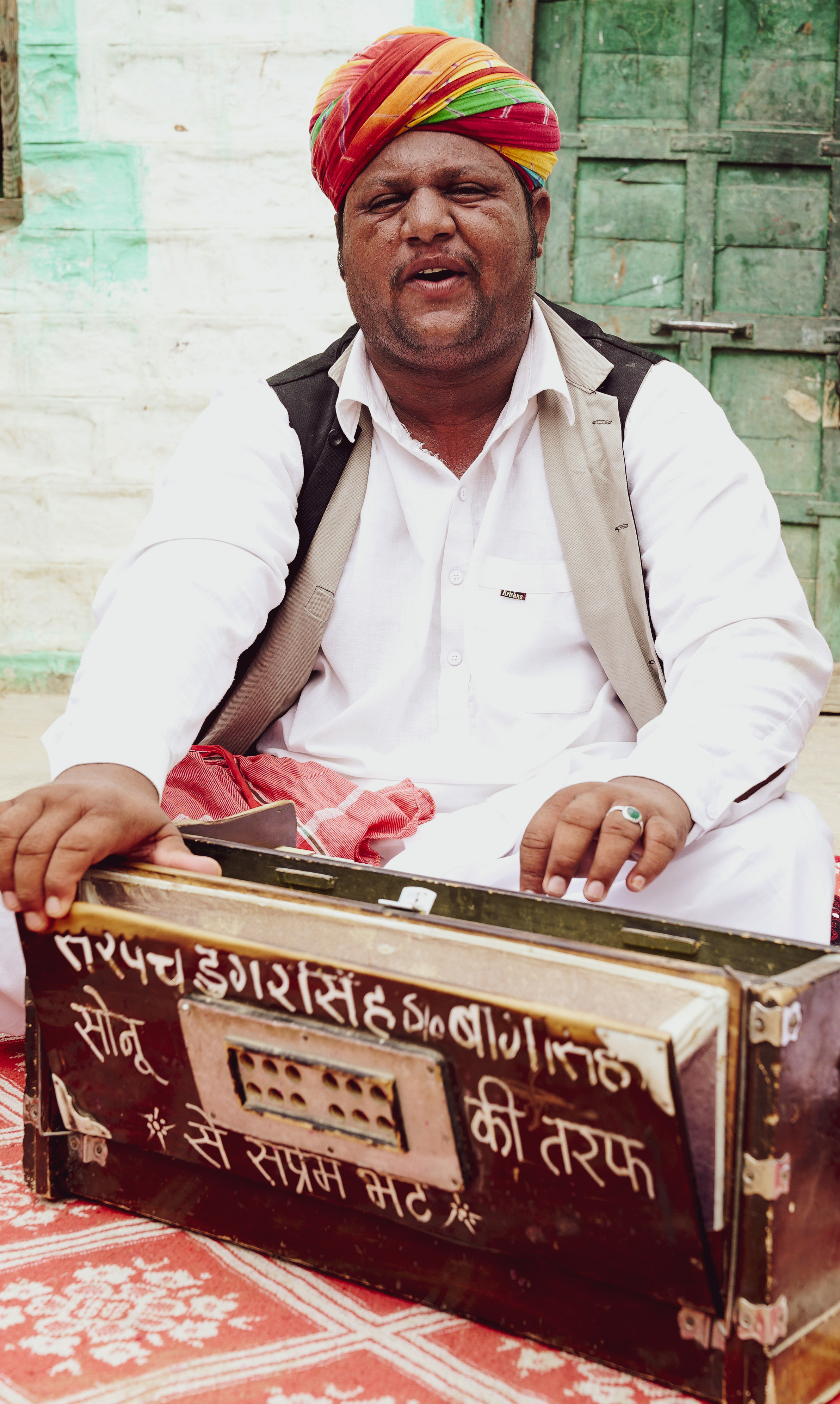
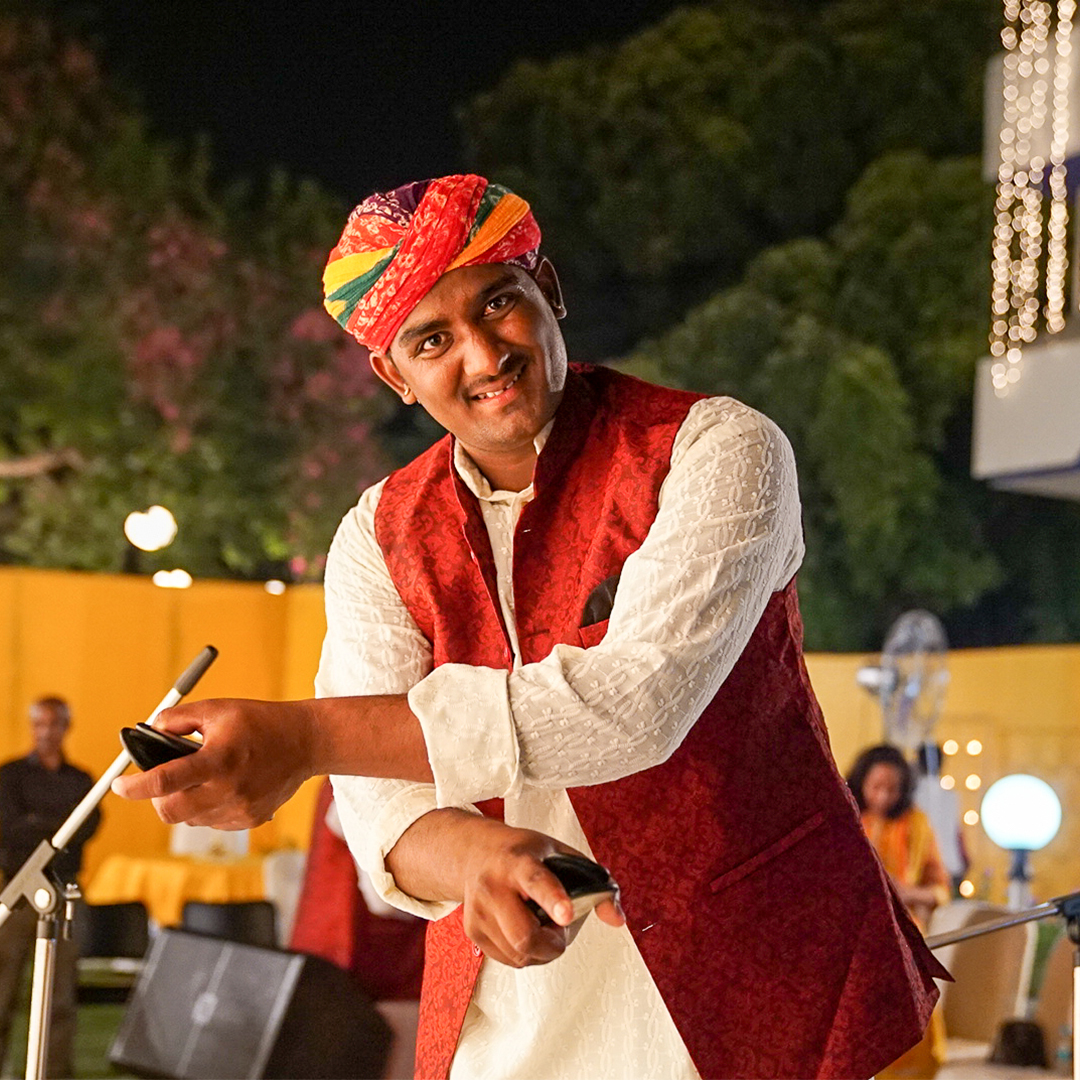
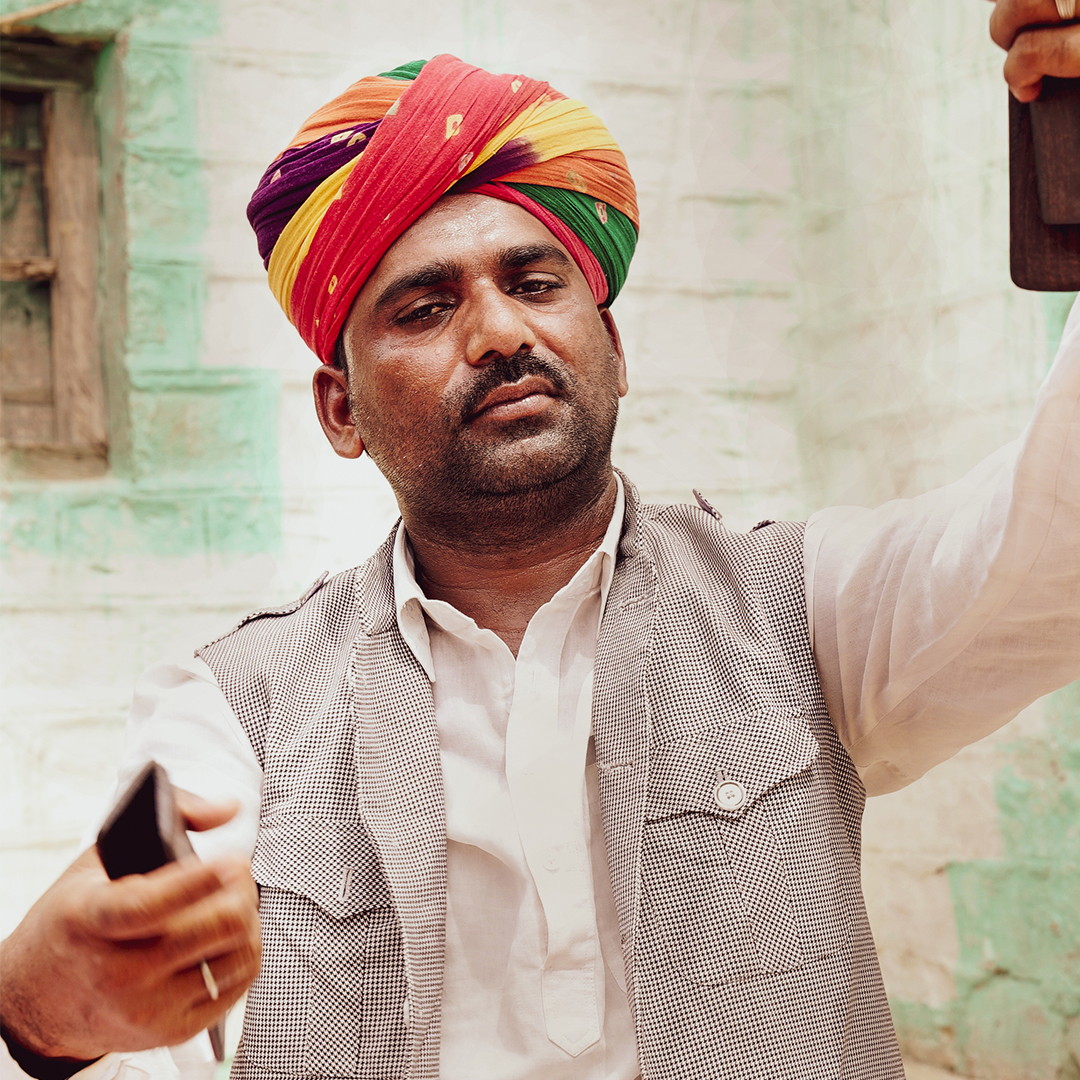
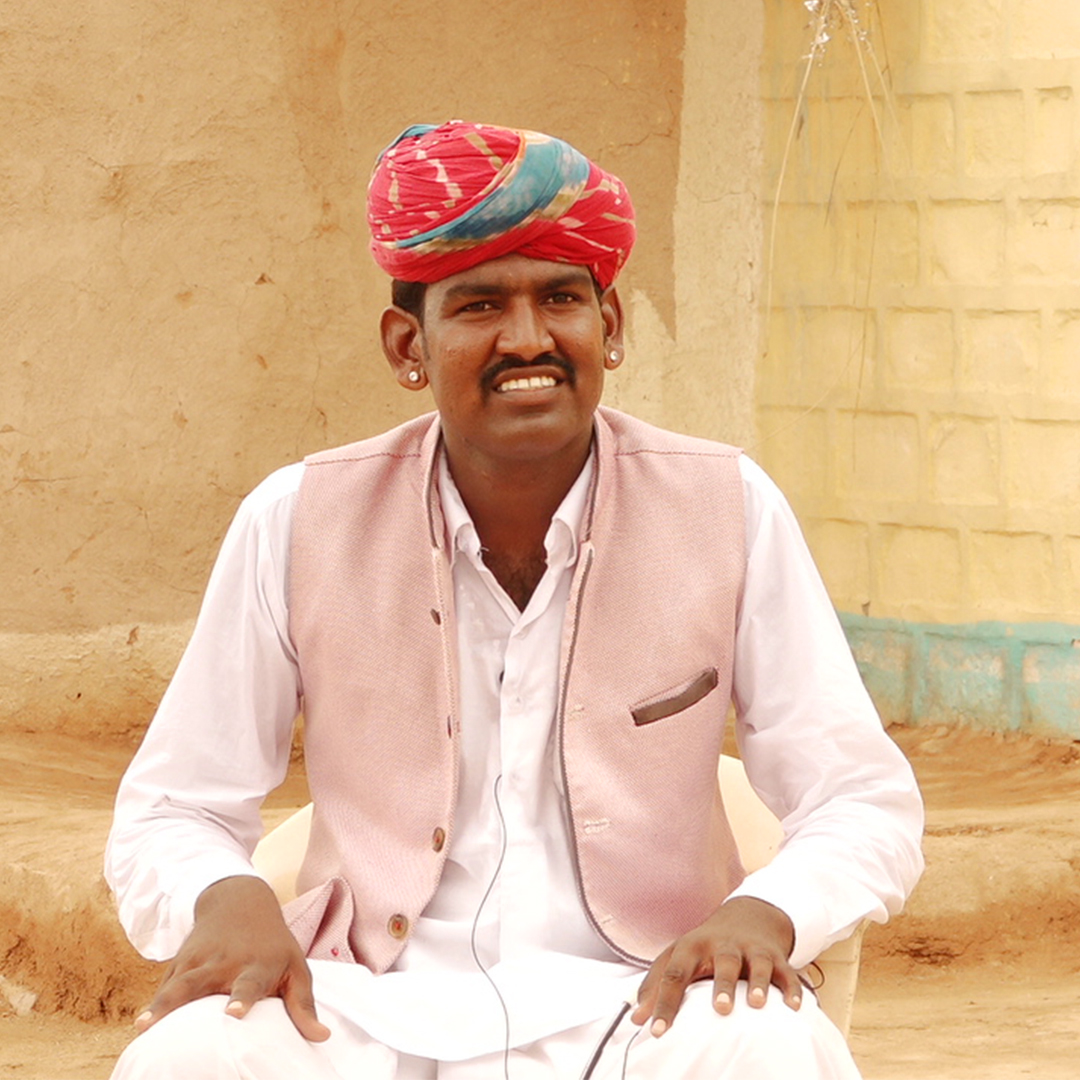
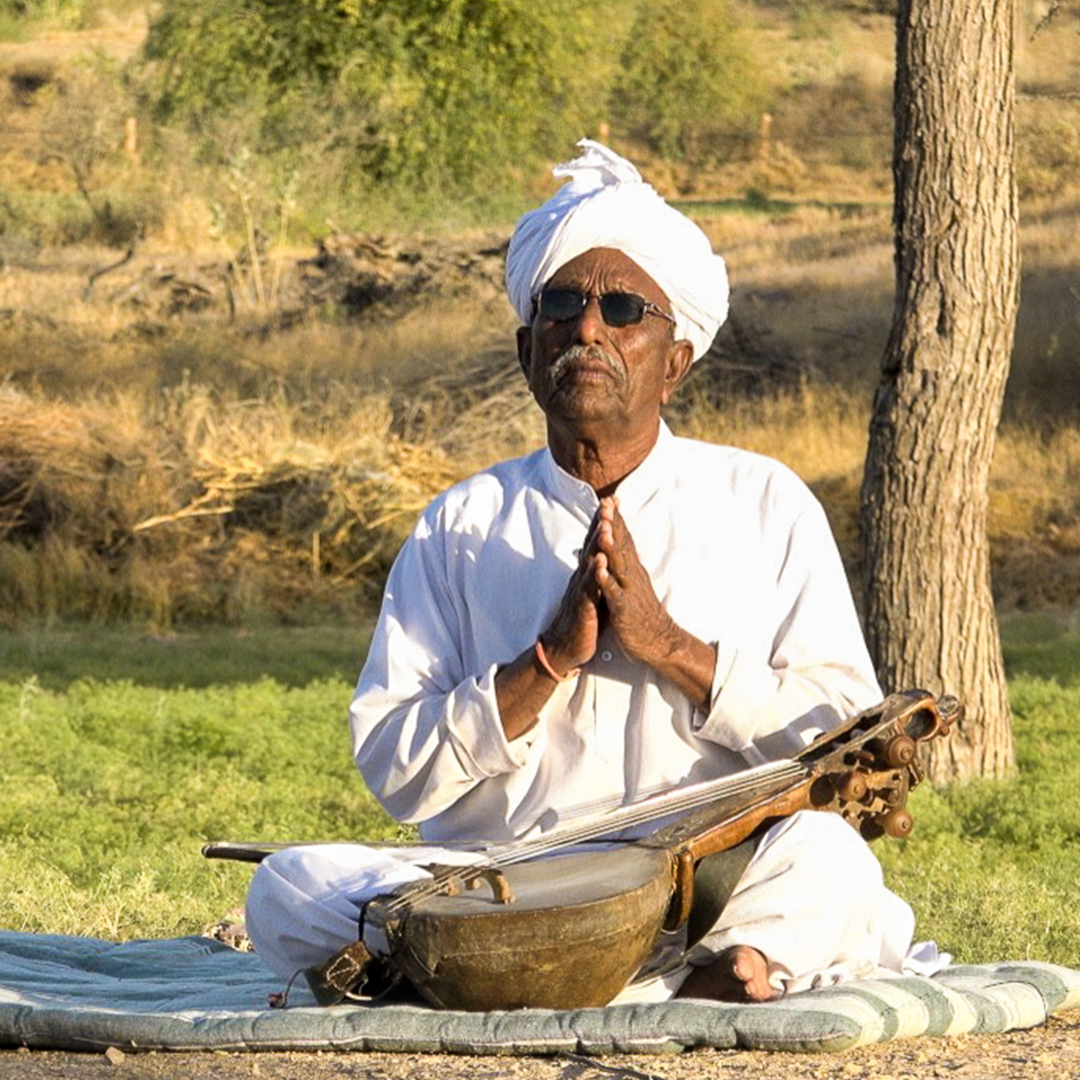
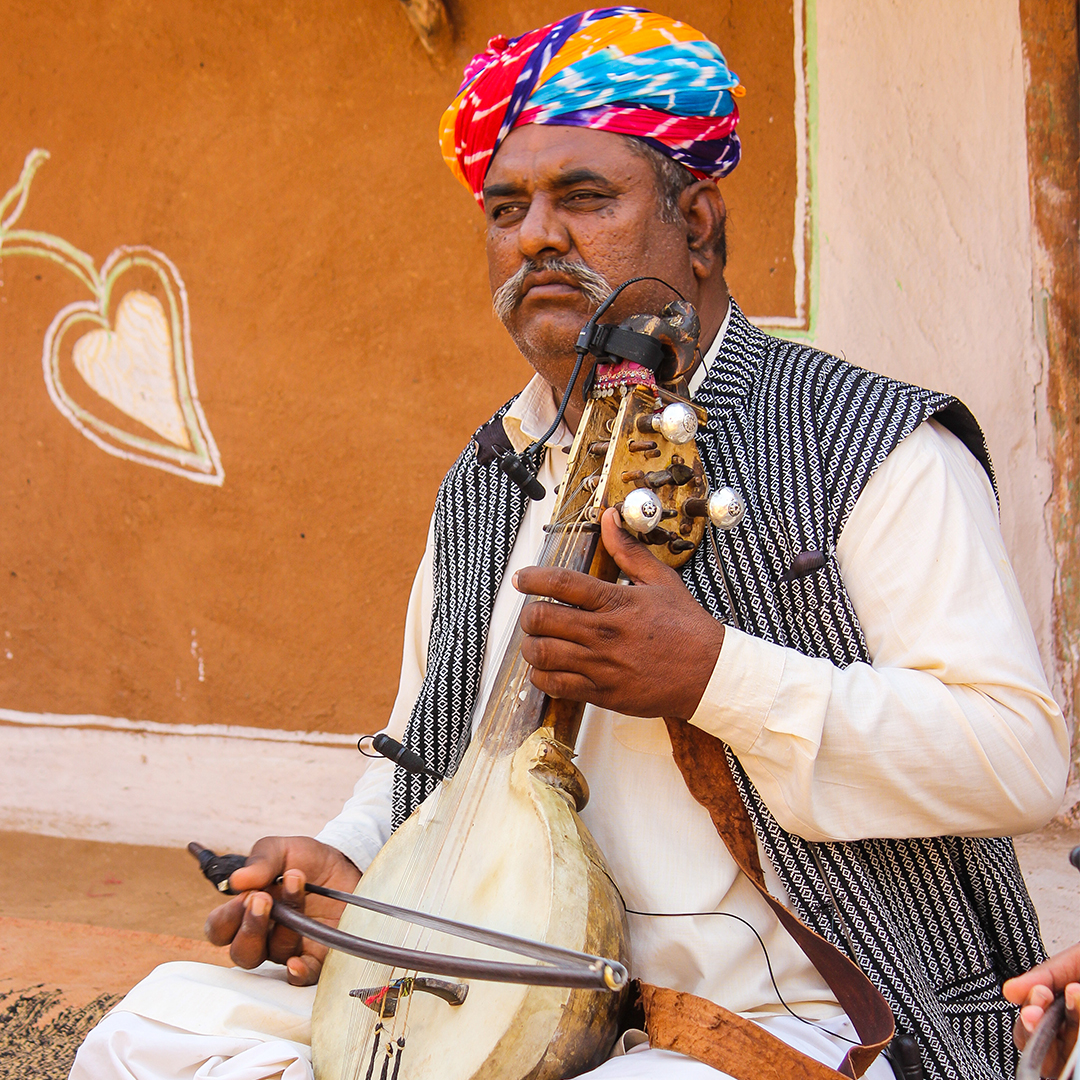
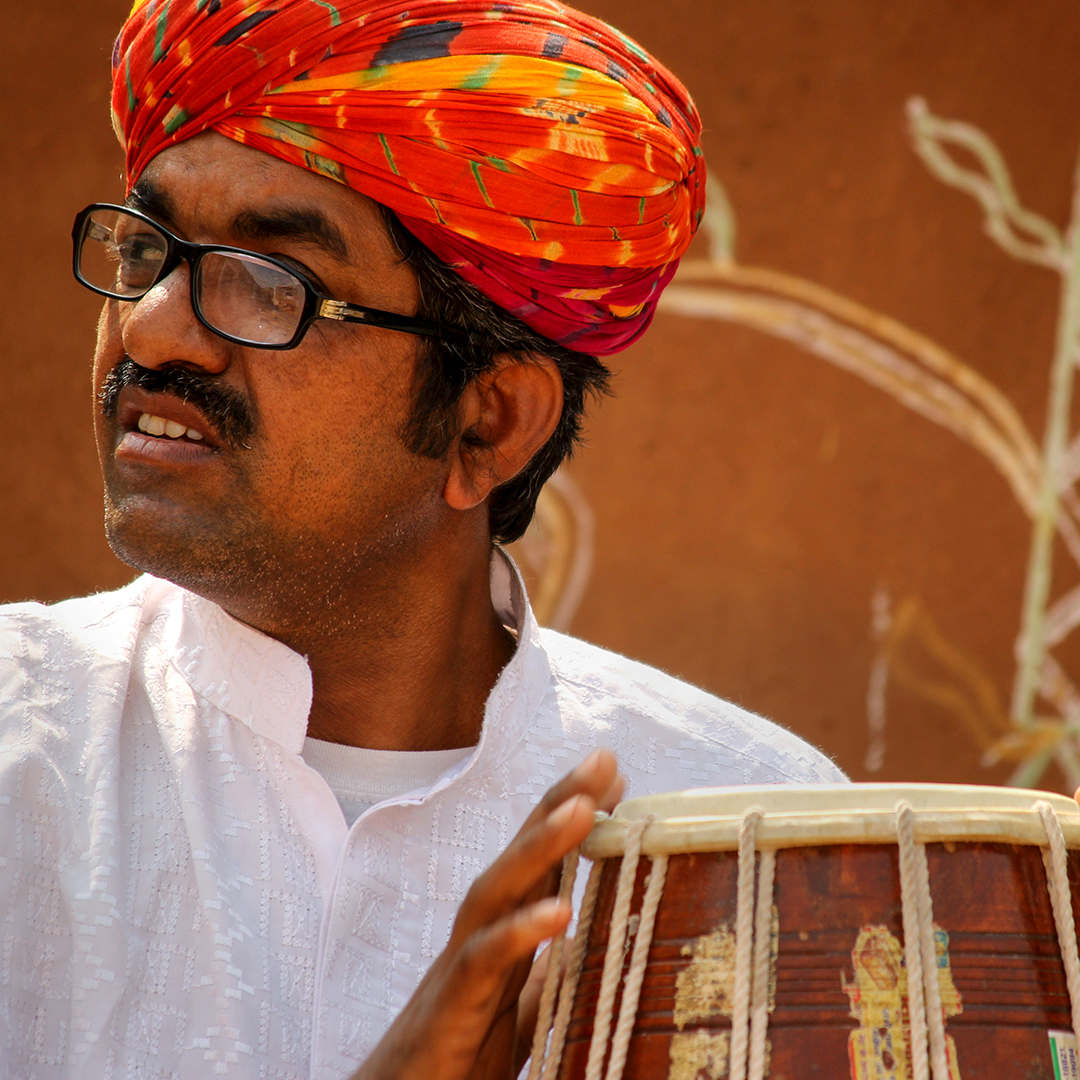
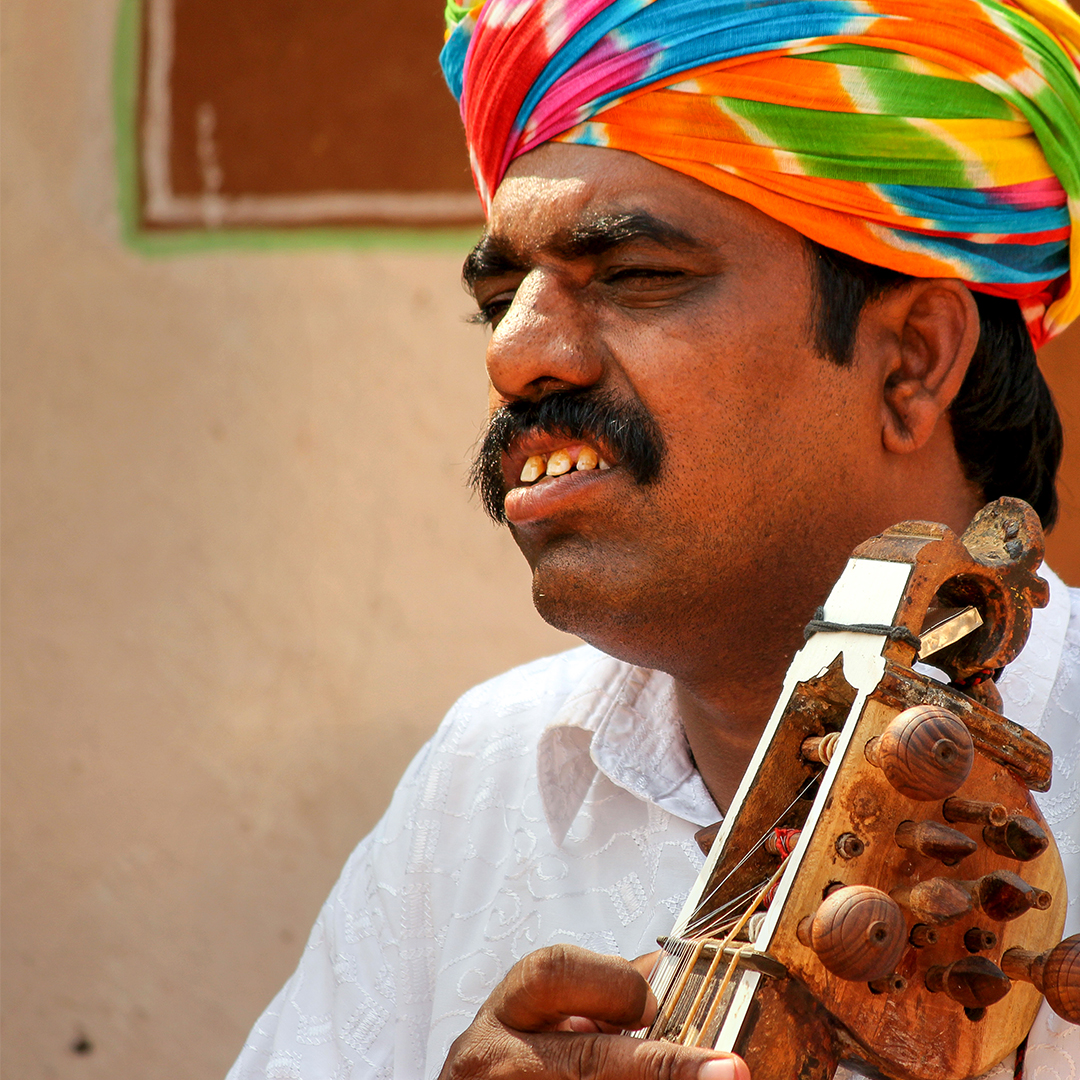
Recorded in Sonu village, Rajasthan · 2019
These four interviews were recorded when musicians from different villages gathered in Sonu. Sangeetcar took the opportunity to document their voices and perspectives, alongside the music they practise.
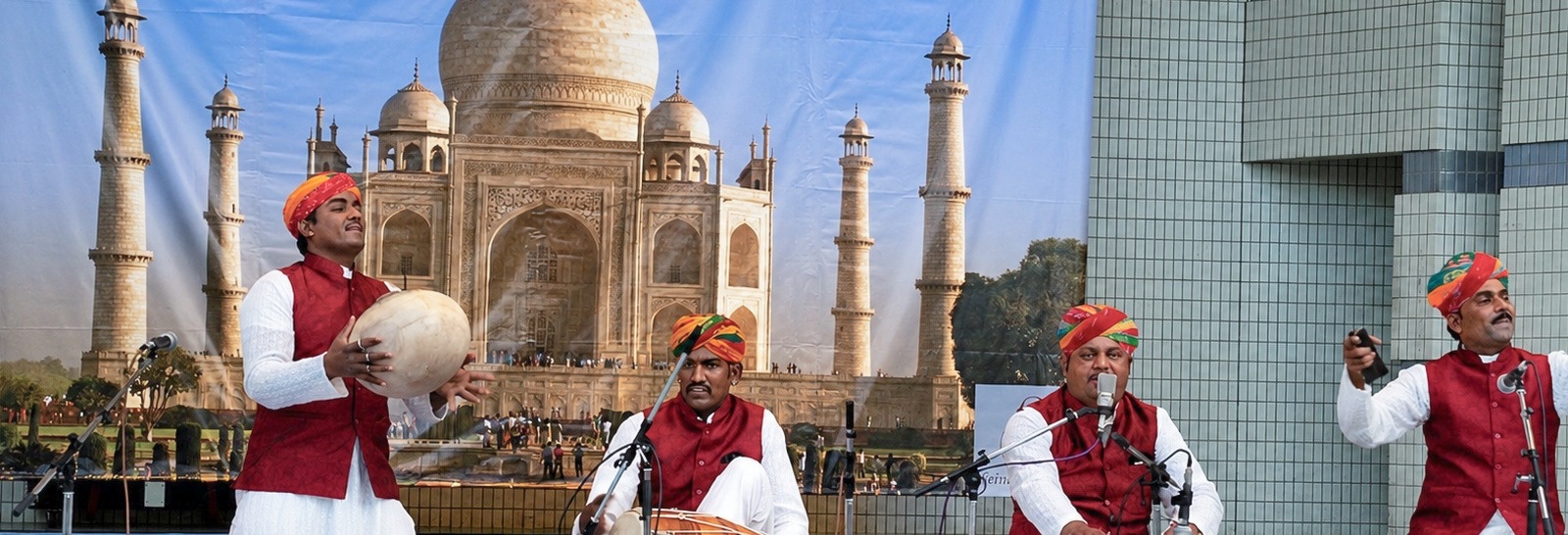
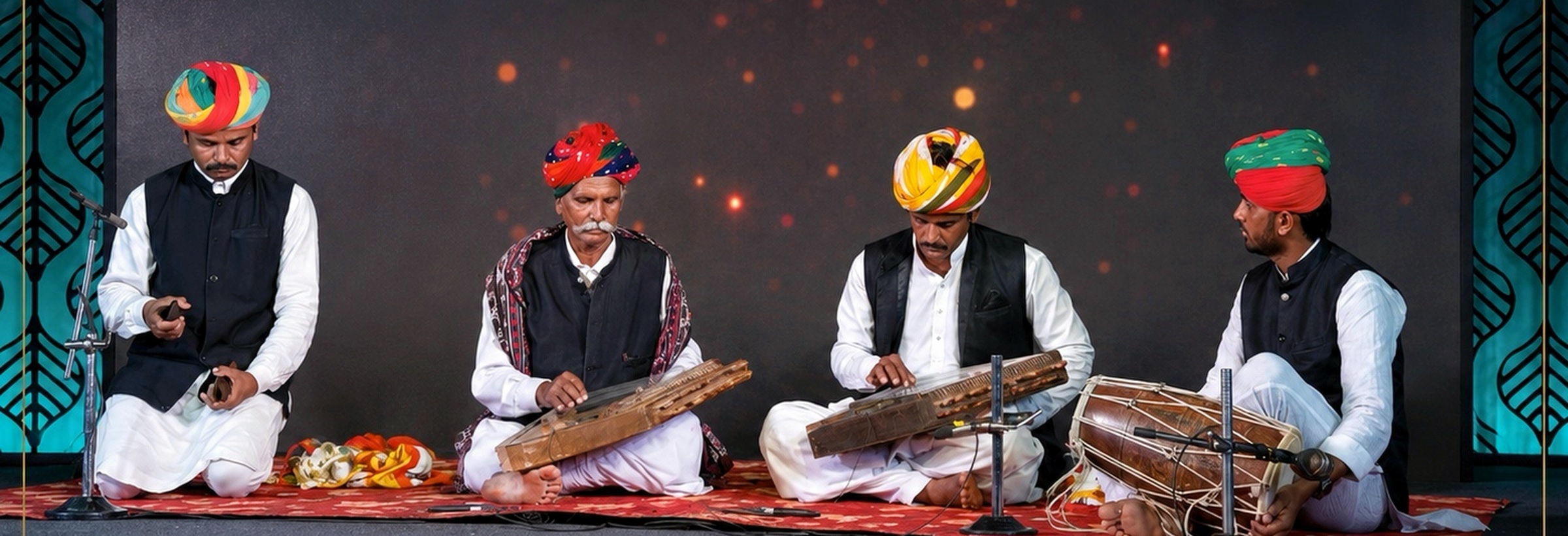
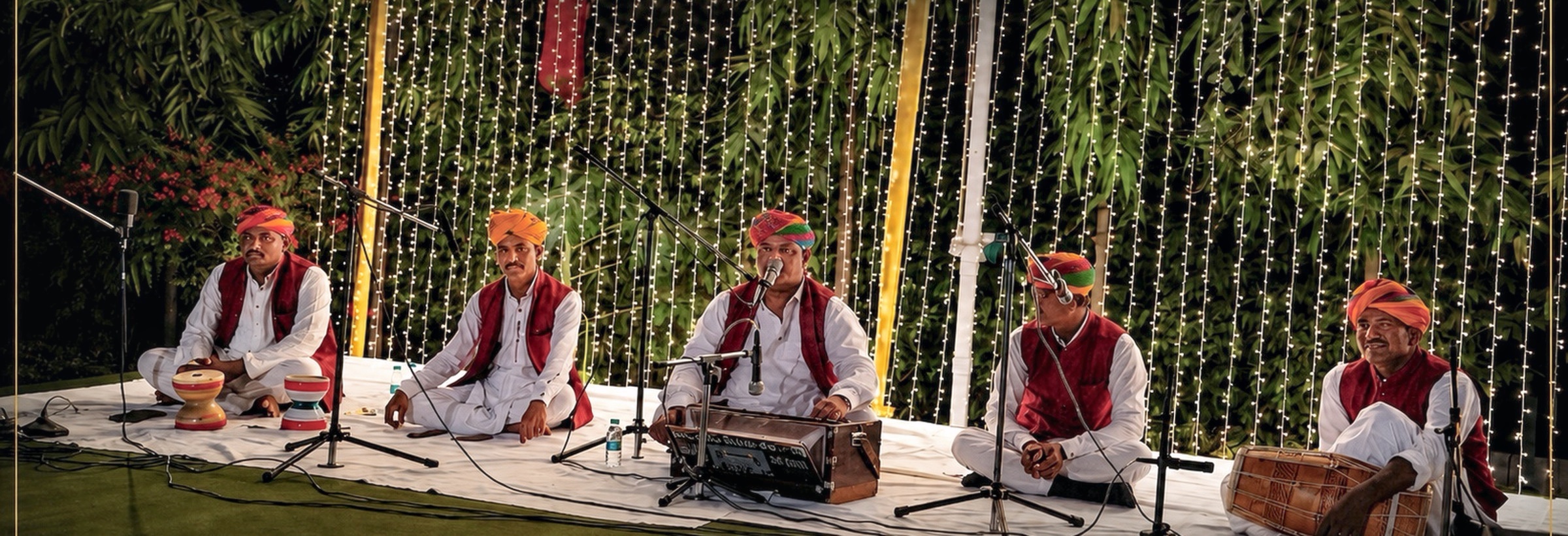
An instrument revived. Knowledge carried forward.
Sangeetcar's relationship with Manganiyar musician Chanan Khan began in 2016, when his surmandal had remained dormant for nearly three decades. Sustained engagement, documentation and renewed performance opportunities helped bring the instrument and its repertoire back into public hearing.
That relationship continues through Chanan Khan and his son, Bhersi Khan, whose involvement connects the instrument's revival with the sharing of knowledge across generations. Their story is at the heart of Sangeetcar's documentary, Legacy in Tunes.
This work brings together the archive, the stage and the family: documenting musical knowledge, creating opportunities for it to be heard, and supporting its continued practice.
Explore Legacy in Tunes →QALACAR is a planned initiative under C.R.A.F.T., focused on documenting craft processes, materials and knowledge passed between generations. Its approach will be rooted in sustained relationships with practitioners, research and field documentation. The launch timeline will be announced as the programme develops.
In the coastal village of Korlai in western India, five elderly women carry a repertoire of songs in Korlai Kristi. Through rehearsals, conversations and everyday gatherings, this documentary explores the histories of faith, family and community held within their singing.
Intimate and observational, the film listens to the women as they remember, exchange lyrics and reflect on the future of their songs. Community relationships and access are established, songs have been identified, and research is underway.